Introduction to Rope Bridges
Rope bridges, often perceived as whimsical playground additions, are intricate architectural works that have a rich history and practical applications. These unique structures serve not only as fun installations for children but also as vital links across rivers, ravines, and other obstacles. As families and adventurers embrace outdoor activities, the demand for safe and sturdy rope bridges has surged, leading to innovations in design and material use. Whether you’re considering a playful bridge for a backyard treehouse or a functional crossing over challenging terrain, understanding the essentials of rope bridges is crucial. When exploring options, Rope Bridge kits and designs can provide comprehensive insights on creating a safe and enjoyable experience.
What is a Rope Bridge?
A rope bridge is a type of suspension bridge that uses ropes or cables to support the bridge deck, making it lightweight yet capable of spanning significant distances. These bridges can be found in various forms, from simple designs made for recreational use to complex structures that serve a functional purpose in adventure sports. Typically constructed from durable materials, rope bridges are designed to balance stability with flexibility, allowing them to absorb dynamic loads while safely accommodating foot traffic.
The History and Evolution of Rope Bridges
The origins of rope bridges can be traced back to ancient cultures, where they were employed in rugged terrains for transportation, particularly in the Andes mountain region of South America. Early designs were often made from natural materials such as vines and animal hides. Over time, advancements in material science have introduced synthetic ropes that offer superior strength and durability. Today, rope bridges can feature advanced engineering techniques that enhance safety and longevity, making them suitable for various environments, from dense forests to urban parks.
Common Uses for Rope Bridges Today
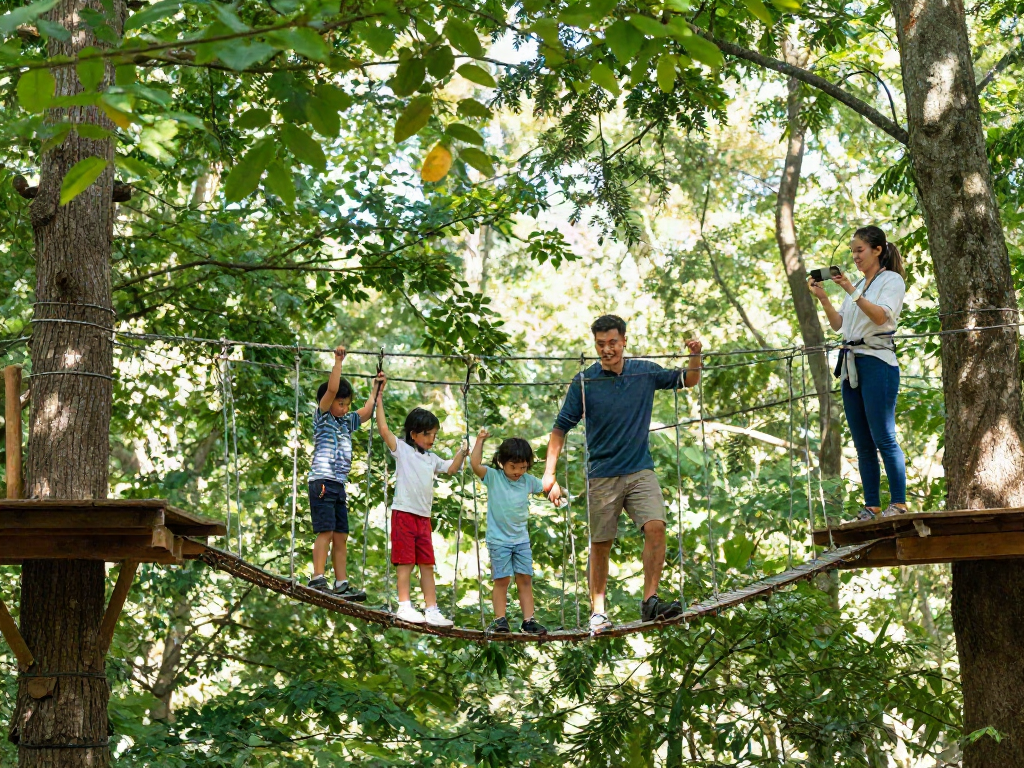
Modern rope bridges serve a multitude of purposes. In residential settings, they are a popular choice for treehouses, providing children with a fun and engaging way to traverse between platforms. In more adventurous applications, rope bridges are utilized in outdoor recreational activities, such as ziplining and ropes courses, challenging participants' balance and coordination. Moreover, they often serve as critical access points in hiking trails or conservation areas, allowing people to cross natural obstacles with minimal environmental impact.
Choosing the Right Rope Bridge
When selecting a rope bridge, several factors must be considered to ensure safety and functionality. Not all rope bridges are created equal; understanding what features to look for can help you make an informed decision.
Factors to Consider When Selecting a Rope Bridge
- Intended Use: Determine whether the bridge will be used for recreational purposes, functional crossings, or both.
- Weight Capacity: Assess the load the bridge will need to support, including the number of users and any additional gear.
- Location: Consider environmental conditions such as weather, terrain, and potential hazards that could affect the bridge.
- Design Aesthetics: Choose a design that complements your existing space while catering to the needs of its users.
Material Types and Durability
The materials used in constructing a rope bridge play a crucial role in its durability and safety. Common choices include:
- Polyester Rope: Known for its strength and resistance to UV rays and moisture, making it ideal for outdoor installations.
- Nylon Rope: Offers impressive elasticity but may degrade faster when exposed to sunlight over time.
- Steel Cables: Often used for added stability and security in heavier-duty applications.
Understanding Safety Standards and Regulations
Before installation, it’s vital to familiarise yourself with local safety regulations and standards for rope bridges. This includes adhering to guidelines on structural integrity, material specifications, and user safety measures. Consulting with professionals who specialise in bridge construction can ensure compliance and safe usage.
Installation Tips for DIY Rope Bridges
For those inclined to take on the challenge of building their own rope bridge, proper planning and execution are key to a successful project.
Step-by-Step Installation Guide
- Planning: Identify the bridge's location, desired length, and height while ensuring there are no obstructions.
- Materials Gathering: Collect all necessary materials, including high-quality ropes, anchor points, and platform supports.
- Building the Frame: Construct the frame using sturdy posts that are securely anchored to the ground.
- Installing the Ropes: Use the appropriate knotting techniques to secure the ropes across the span of the bridge.
- Testing: Before use, conduct thorough testing to ensure the bridge can support the intended weight and behaves as expected.
Common Mistakes to Avoid
- Neglecting to check for local regulations and safety standards.
- Using poor-quality materials that can compromise safety.
- Underestimating the load capacity of the bridge.
- Failing to account for environmental factors such as wind and rain.
Tools and Equipment Needed
Gathering the right tools is essential for a smooth installation process. Key tools include:
- Drill with appropriate bits for anchoring.
- Measuring tape for accurate distance assessment.
- Rope cutter for clean, precise cuts.
- Safety gear, including gloves and harnesses for the installation team.
Maintaining Your Rope Bridge
Once installed, a rope bridge requires regular maintenance to ensure its longevity and safety for users. Adopting a proactive approach to maintenance can prevent larger issues down the line.
Regular Inspection and Maintenance Tips
- Conduct thorough inspections at least once a month, focusing on wear and tear of the ropes and anchor points.
- Look for signs of fraying or deterioration in the materials used, especially after adverse weather conditions.
- Ensure all knots remain secure and that the bridge structure remains stable.
How to Repair Common Issues
In the event of wear or damage, addressing issues promptly is essential. Here are common repairs:
- Replacing Worn Ropes: If fraying is evident, replace the affected sections immediately.
- Re-tightening Anchors: Ensure all anchors remain tightly secured and stable.
Long-term Care for Longevity
To prolong the life of your rope bridge, consider applying protective coatings on ropes that can enhance resistance to UV damage and moisture. Additionally, seasonal maintenance checks help in identifying any potential threats to the bridge's integrity before they escalate.
Future Trends in Rope Bridge Design
The design and construction of rope bridges are continuously evolving, driven by advancements in technology and changing consumer preferences. The future promises exciting innovations that enhance both safety and aesthetic appeal.
Innovative Materials and Technology
The introduction of synthetic materials is changing the landscape of rope bridge construction. Lightweight, high-tensile materials offer not only increased strength but also reduced environmental impact. Furthermore, smart technology integration can provide real-time monitoring of structural integrity, ensuring safety.
Designing for Sustainability
As environmental concerns rise, there is a growing trend towards sustainable practices in rope bridge construction. This includes sourcing materials responsibly and designing bridges that blend harmoniously with their natural surroundings, minimising ecological disruption.
Predictions for Rope Bridges in 2026 and Beyond
As we look forward to 2026, we can expect rope bridges to become more common in public spaces, parks, and recreational facilities. The emphasis on outdoor activities and connecting communities through nature will drive innovation in design and functionality.
What are the Best Types of Rope Bridges?
The ideal type of rope bridge depends on the intended use. For recreational settings, lightweight designs that prioritise fun and ease of access are preferred. In contrast, functional crossings in rugged terrains may require sturdier constructions with enhanced safety features.
How to Ensure a Safe Rope Bridge Experience?
Ensuring safety begins with rigorous planning and adherence to regulations. Regular inspections and maintenance are critical, alongside educating users about safe usage practices.
Are DIY Rope Bridges Safe for Kids?
When constructed with quality materials and proper safety measures in place, DIY rope bridges can be safe for children. It is paramount to supervise their use and ensure that the bridge is suited to their age and ability levels.
What Materials Are Best for Building Rope Bridges?
High-quality polyester or nylon ropes are often recommended for their balance of strength, flexibility, and weather resistance. Additionally, sturdy anchoring systems using treated wood or metal can enhance overall stability.